The reasons people actually switch.
Nobody buys rental software because they want more software. They buy it because something specific has gone wrong often enough — a month of rent nobody chased, an April spent rebuilding a year from bank statements, a property quietly losing money while the portfolio looked fine.
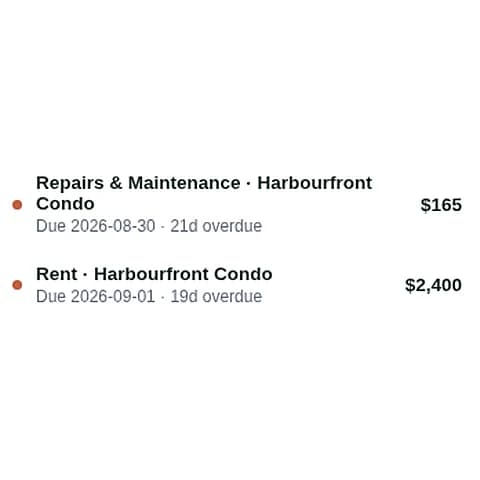
Rent arrives on time, and you hear the day it doesn't
Most late rent is not a crisis. It becomes one because it went unnoticed for five weeks and then had to be handled all at once, badly.
How rent collection works- Pre-authorised debit means most months need no chasing at all
- Arrears show the day they happen, while a conversation still fixes it
- Receipts go out on their own, so nobody has to ask for one
- When it does go far enough, the right LTB notice is already prepared
Owners who trust the numbers
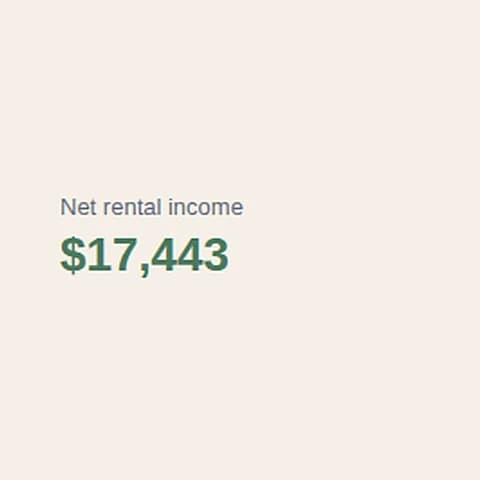
The fastest way to lose an owner is a statement that does not match the payout. The fastest way to keep one is a statement they can check themselves and find nothing wrong with.
For property managers- Owner statements that reconcile to the money that actually landed
- Owners watching their own property as it happens, rather than waiting on a monthly PDF
- Spending approved above a limit the owner sets, before the work is done
- A trust ledger behind every figure, provable rather than asserted
- Fewer of the emails that start “can you explain this charge”
Year end stops hurting
The April ritual — a year of bank statements, a shoebox, and a guess at which repair belonged to which property — is entirely avoidable, and it is avoided in June, not in April.
How the tax side works- Expenses already sitting on the T776 line they belong to
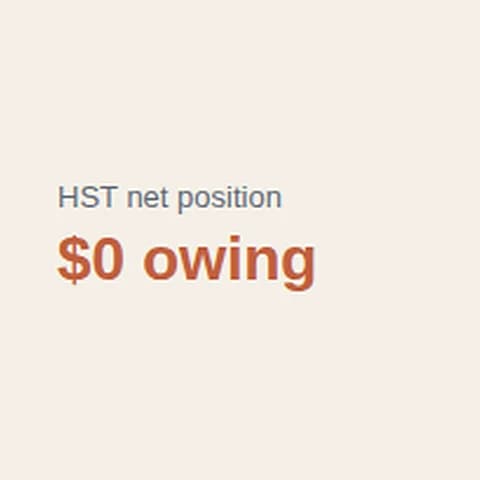
- HST on management fees separated as you go
- One file for your accountant instead of a folder and a phone call
- Non-resident withholding and residency declarations already handled
- A smaller accounting bill, because nobody is being paid to sort receipts
A straight answer on keeping it or selling it
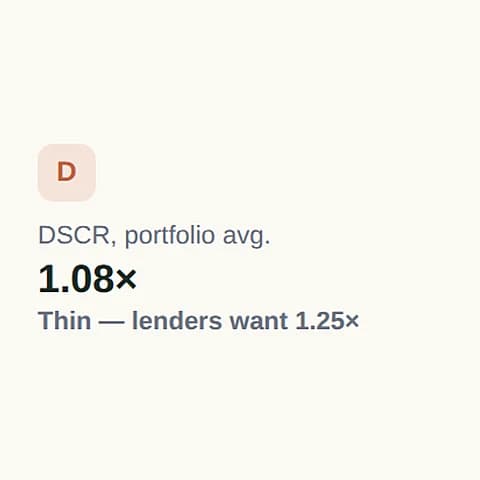
Every rental tool will tell you what a property earned. Almost none will tell you whether owning it is still the best use of the money inside it — which is the only question that changes what you do next.
How returns are calculated- Cap rate, cash-on-cash, equity and total return from money actually recorded
- Projected equity for holding, set against selling and reinvesting the proceeds
- Every property side by side, which is where the quiet loser usually appears
- A deal analyzer for the next purchase, before the deposit is gone
Rentdura shows you the comparison and the arithmetic behind it. Whether to sell is your decision, and for most people worth taking to an accountant as well — the tax consequences sit outside the return calculation.
Retire QuickBooks and the spreadsheet
General accounting software does not know what a tenancy is, and a spreadsheet does not know when it is wrong. Most landlords end up running both, plus a folder of PDFs, and reconciling between them by hand.
How the books work- One ledger that already understands properties, units, tenancies and owners
- Real trust accounting rather than a chart of accounts bent into the shape of one
- Bank feeds reconciled in the same place the rent is recorded
- Import what you already have in CSV or Excel, and export it again any time
- No monthly evening spent making two systems agree
Ontario handled right, not adapted to
Software written for landlords in Texas gets Ontario wrong in small ways that turn into real problems — the wrong form, HST in the wrong place, a deposit treated as income.
See it on Ontario figures- T776 categories, not a generic expense list
- Current LTB forms, filled from your own records
- HST on management fees carried the way the CRA expects
- Security deposits held and reconciled as trust money, not revenue
- Non-resident withholding and owner residency declarations built in
Built in Mississauga by a licensed Ontario real estate agent who manages his own portfolio — which is the reason these details are here rather than on a roadmap.
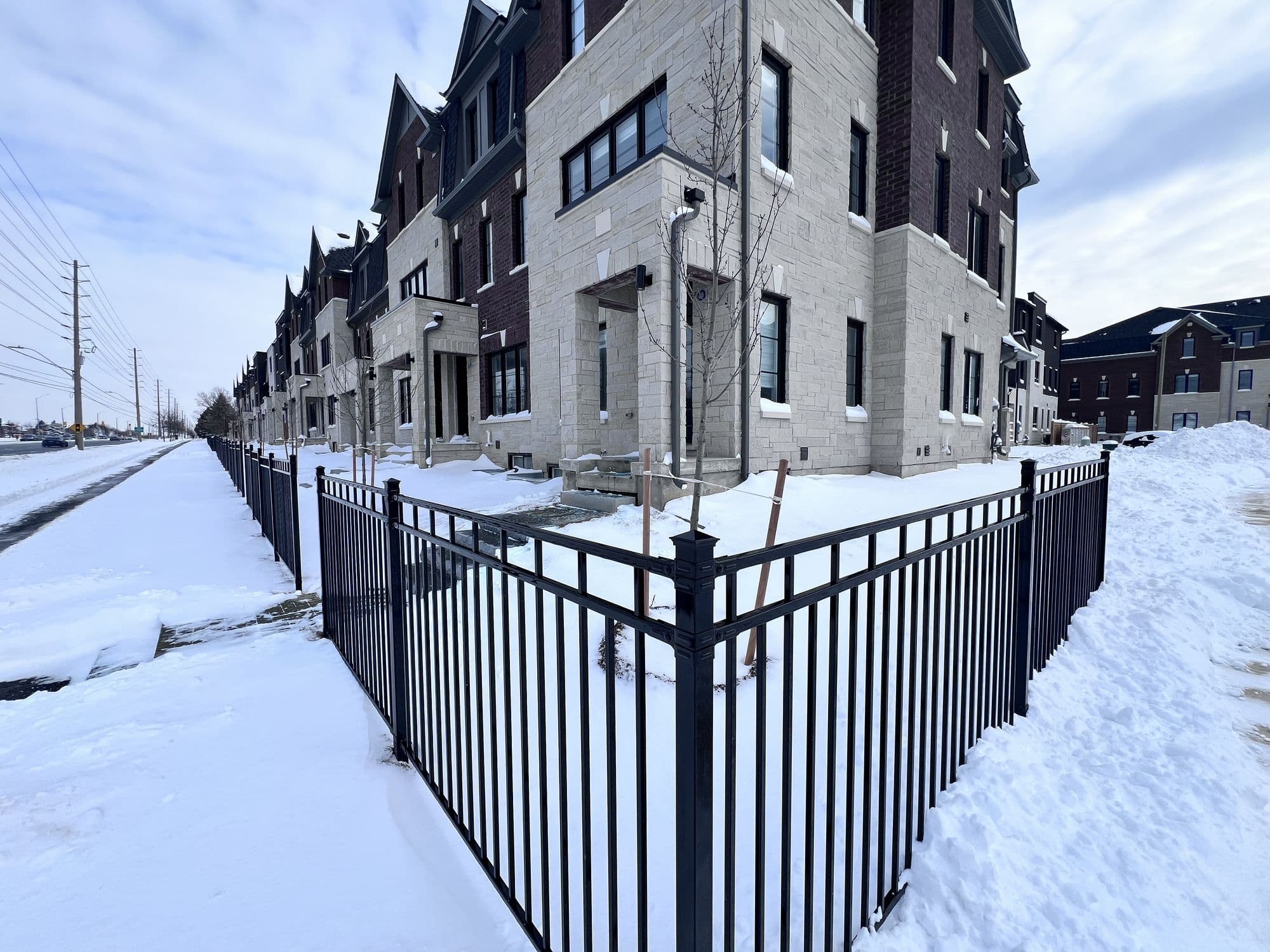
Streetsville, in February. Forty storeys up, downtown Toronto. 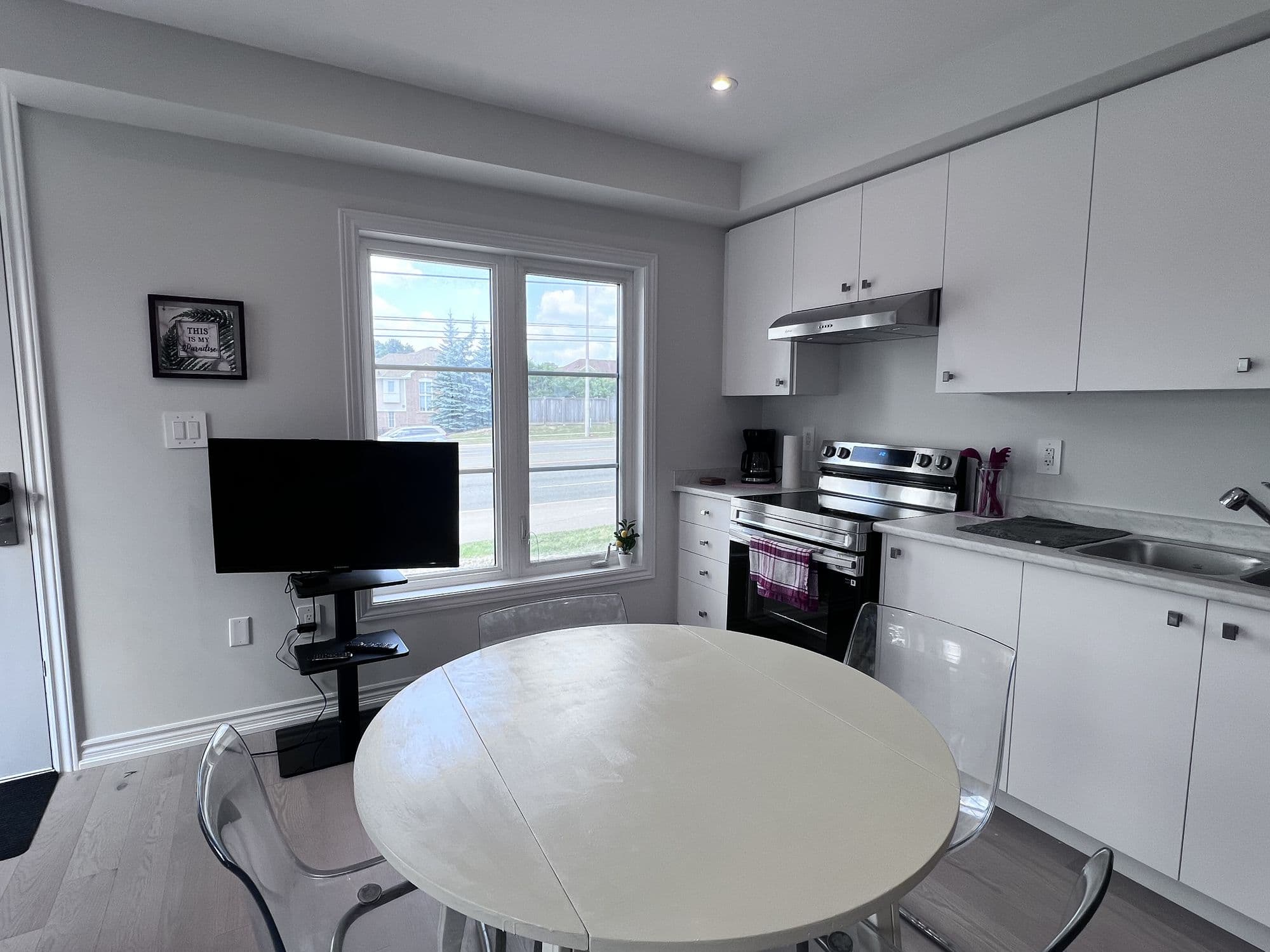
Occupied, and paying on the first. 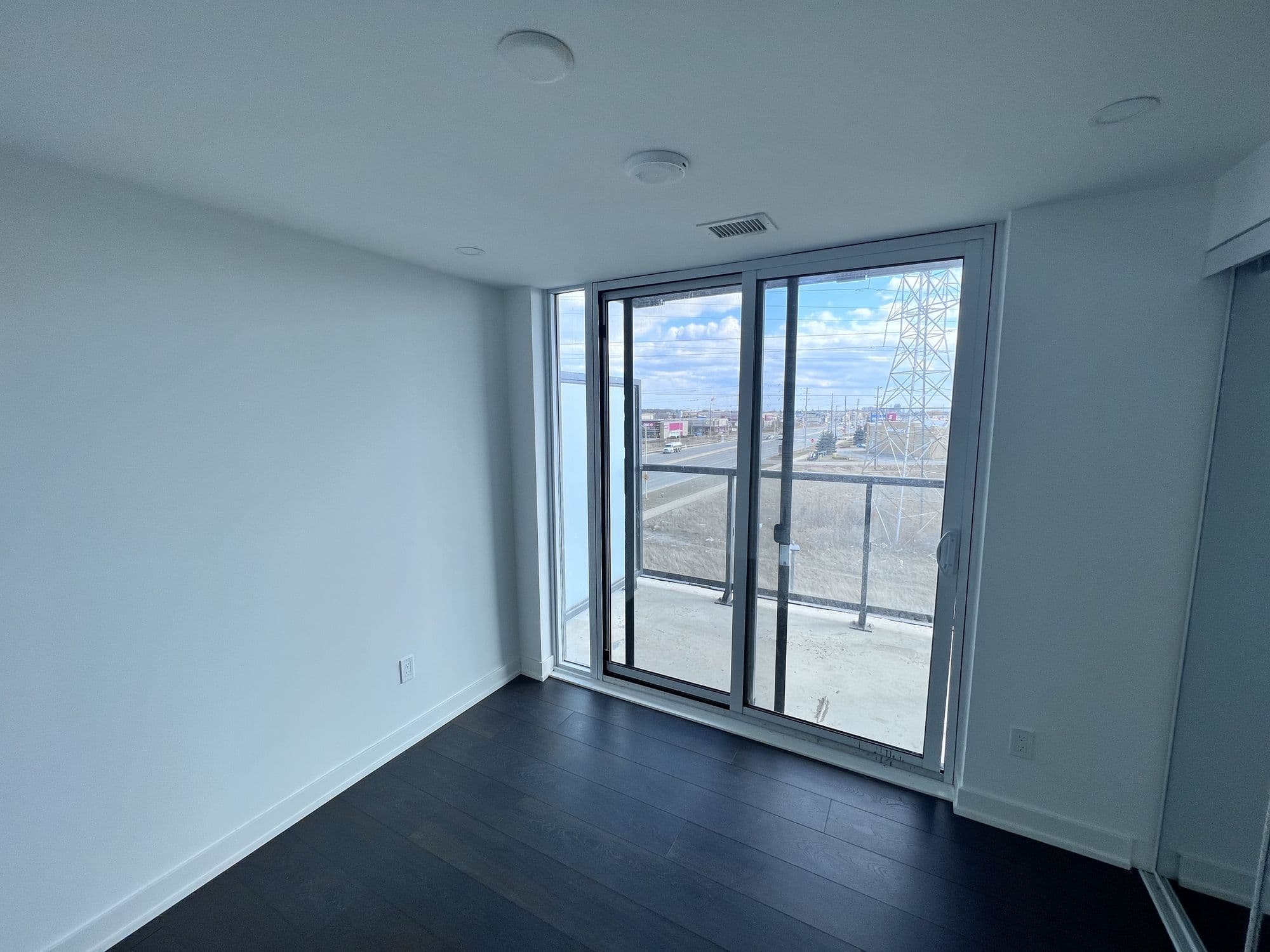
Empty, and costing you every week.
Start with one property, free.
Not a trial and not a countdown. Put one door in, run a month through it, and see whether any of the above is actually true for you.