Four seats at the same ledger.
Rentdura keeps one set of records for a property. What changes is where you sit — whether you manage other people's doors, run your own, own one somebody else runs, or live in it.
Property managers and agencies
You hold other people's money. The day somebody asks you to prove it — an owner, an auditor, the LTB — the proof has to already exist, not be assembled that week.
Talk to us about your book- Trust accounts for operating funds and security deposits, held apart from your own books
- Three-way reconciliation — bank balance, book balance and every beneficiary's ledger agreeing, which is the proof that segregation actually held
- An append-only ledger: a mistake is corrected with an adjustment entry, never by editing or deleting history
- Owner payout queue and disbursement runs, with a statement standing behind every payment
- Your clients, your leads and your team, each with their own access
- Management fees calculated on rent collected, with HST carried separately
- Fee and comparison reports across the whole book, not one door at a time
Built to how Ontario trust accounting actually has to work, rather than a US ledger with the labels changed.
Self-managing landlords
A few doors, run by you. The spreadsheet held up at one property and started quietly lying at three — usually about which door is actually carrying the others.
Start free- Rent collected into your own bank account — Rentdura never holds your money
- Arrears visible the day they happen, not the month after
- Every expense recorded against the right door, in the category the CRA asks for
- LTB notices on the current forms, filled from the records you already keep
- Maintenance, vendors and reminders before the season turns
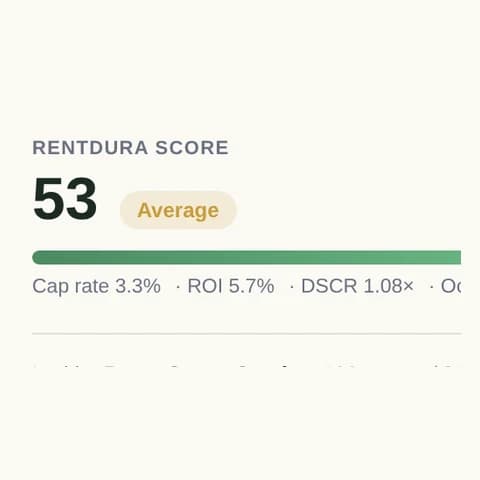
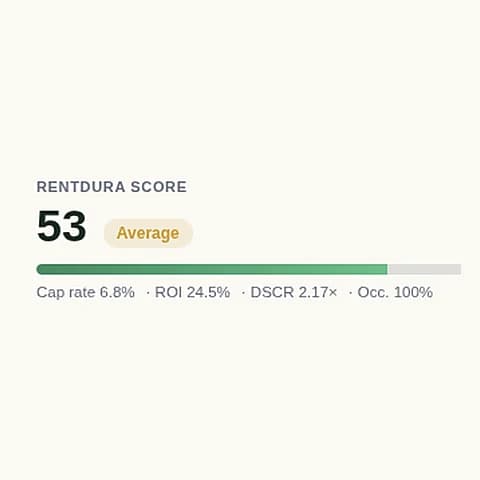
- Cap rate, cash-on-cash, equity and total return, from transactions you already entered
- A deal analyzer for the next one, before you commit to it
Owners with a property manager
Somebody else collects the rent and pays the invoices. That should not mean finding out in April what was decided in June.
See the owner view- Every dollar your manager moves, visible as it moves
- Approve spending above a limit you set, before the work happens
- Owner statements that reconcile to the payout that landed in your account
- HST on management fees carried separately, the way your accountant needs it
- The same T776-ready year-end package a self-managing landlord gets
- Included in your access if your manager pays for Rentdura
Where your management agreement hands leasing to your manager, those screens are read-only for you rather than hidden — you can see exactly what is being done, you are simply not the one doing it.
Tenants
Rentdura is not your landlord. It is where your tenancy is recorded, on their behalf — and a few things you do yourself pass through it.
Questions about your record- Apply with an OREA-style rental application sent to you as a link — no Rentdura account needed
- Sign the application electronically, on a phone, with a finger
- Pay rent by pre-authorised debit, straight to your landlord's account
- Receipts issued automatically, without having to ask
- Sign move-in and move-out inspection reports, and keep a copy
Your landlord or their manager decides what is kept and for how long. Questions about your rent, your lease or a notice are best taken to them first — if you cannot reach them, or the question is about what Rentdura holds, write to us.
Streetsville, in February. 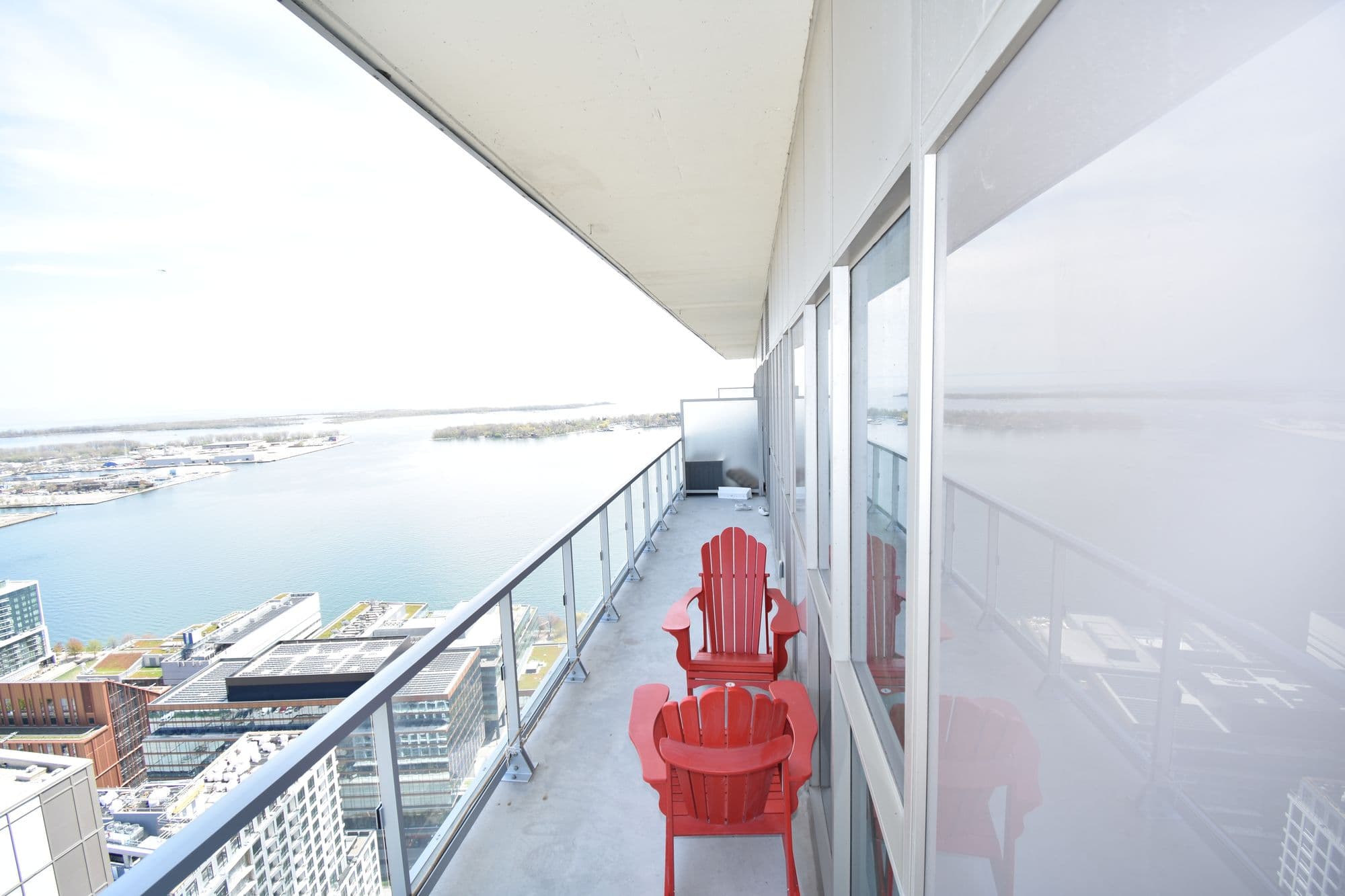
Forty storeys up, downtown Toronto. 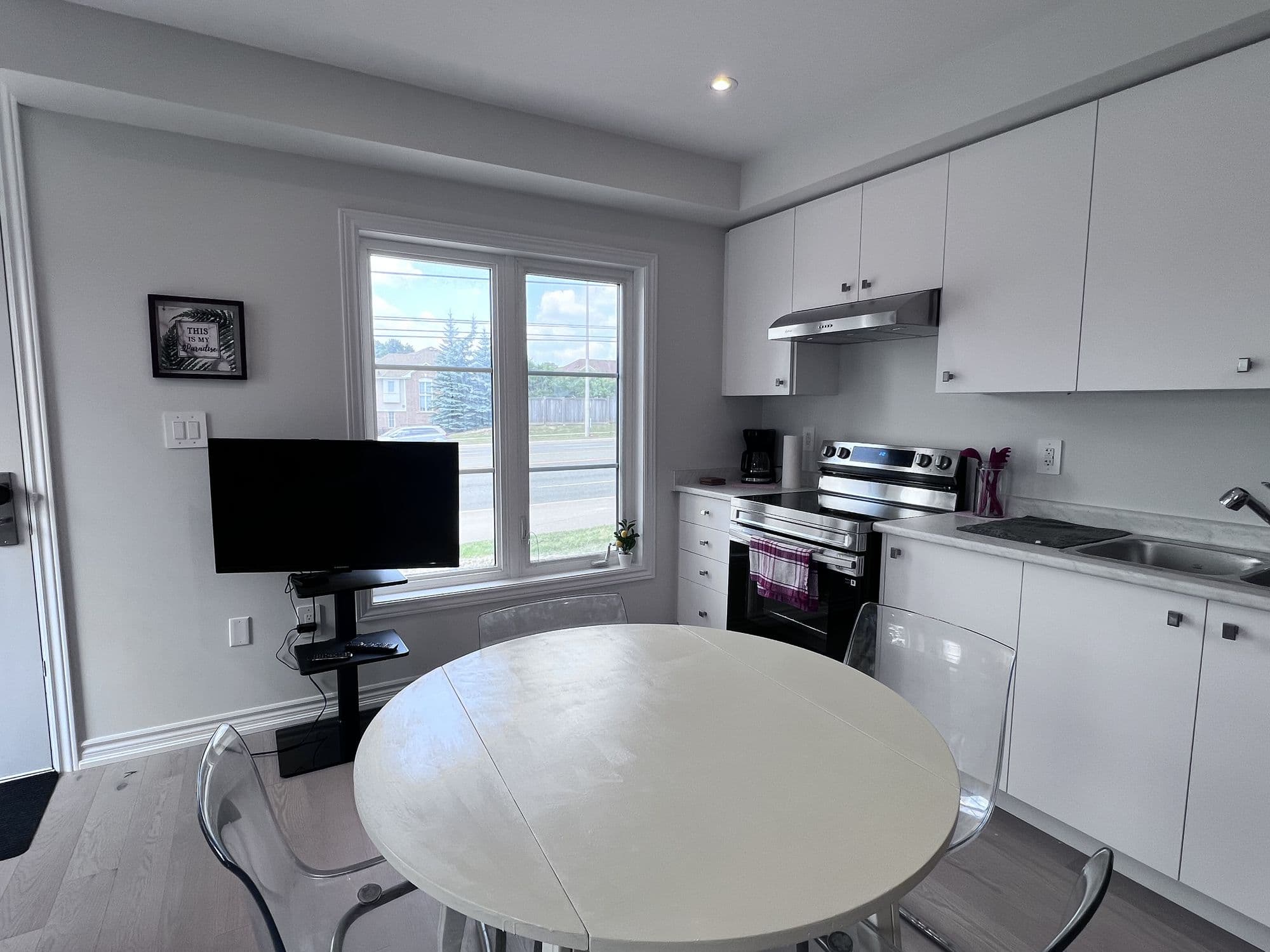
Occupied, and paying on the first. 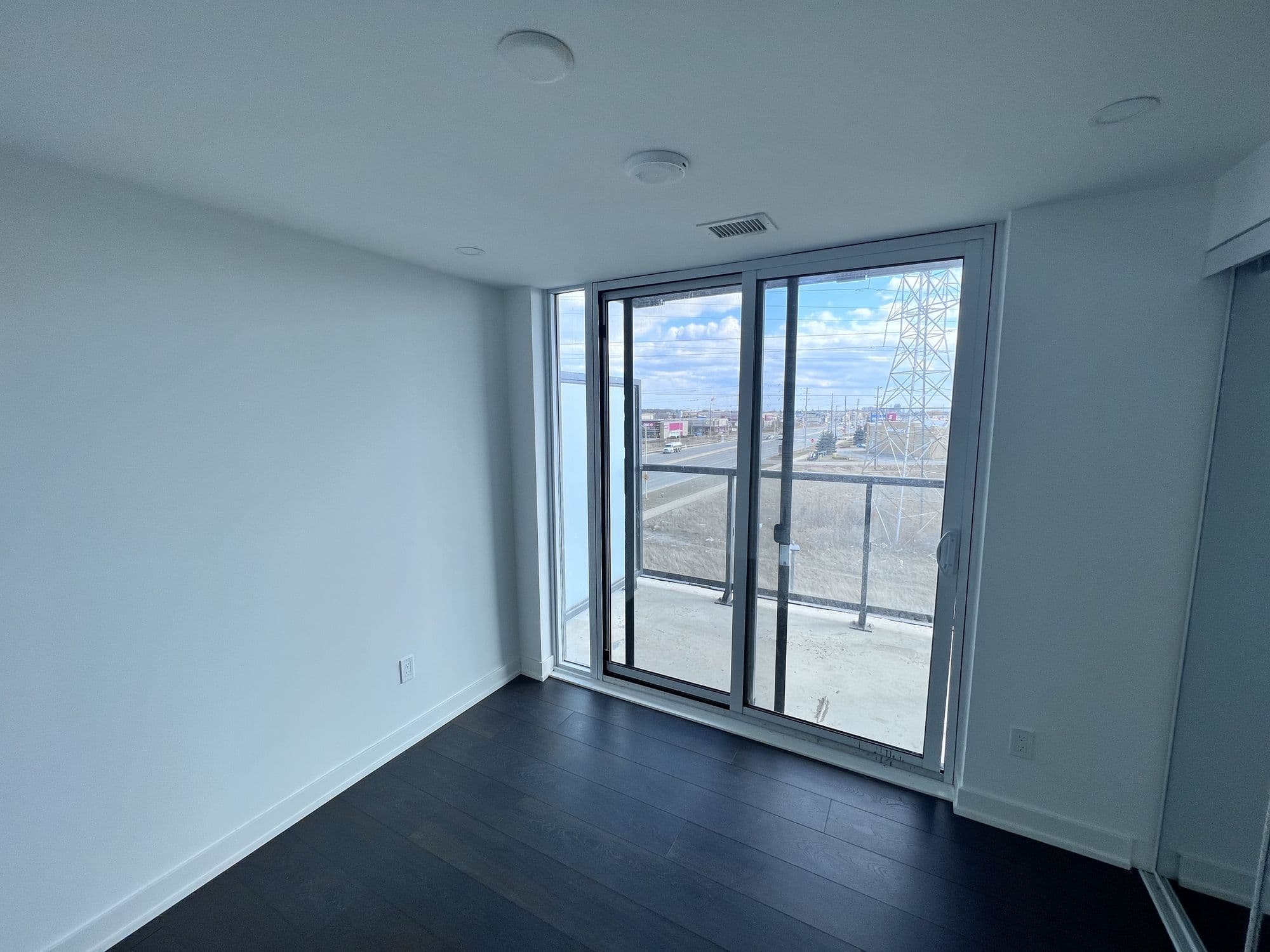
Empty, and costing you every week.
Your first property is free, and it stays free.
Not a countdown — one property and one tenancy, for as long as you want them. Managing a book of other people's doors is a different conversation, and a short one.