The return, not just the record
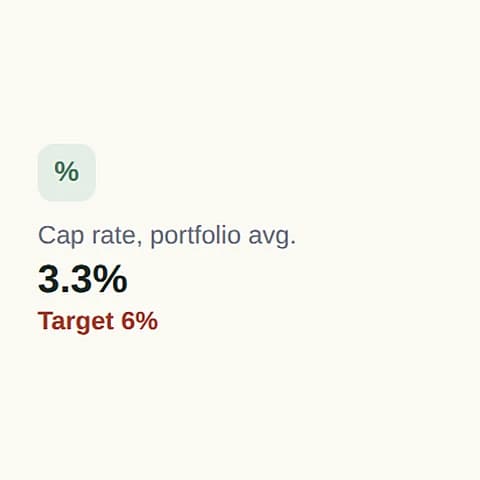
Cap rate, cash-on-cash, equity and total return, calculated from transactions you have already entered. Then the question none of the other tools answer: is this property still worth keeping?
How it worksRent, expenses, CRA-ready tax reports and return analysis for Ontario rental property — whether you manage it yourself or someone manages it for you.

Built in Mississauga by a licensed Ontario real estate agent who manages his own portfolio — because the software written for landlords in Texas kept getting Ontario wrong.



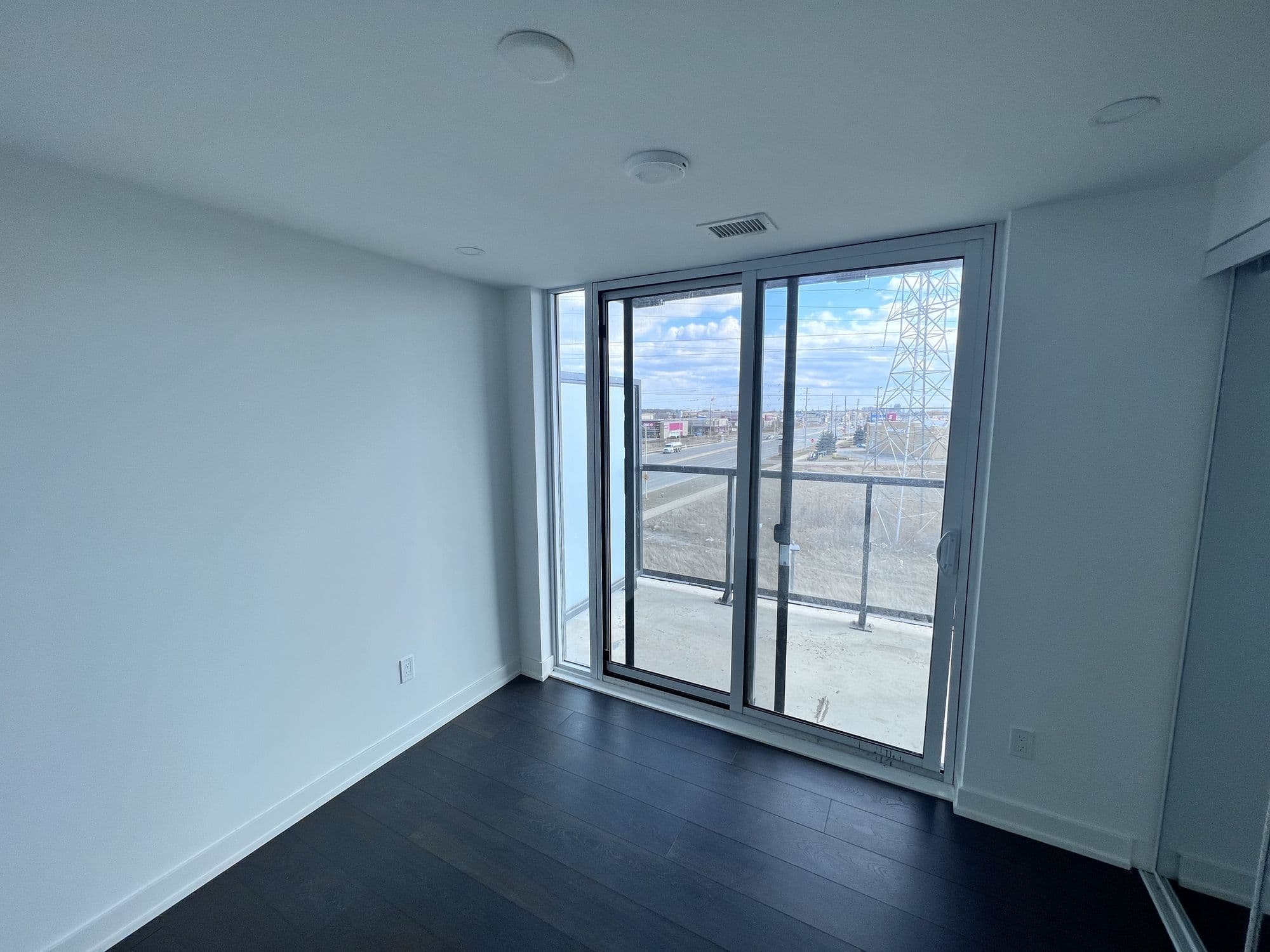

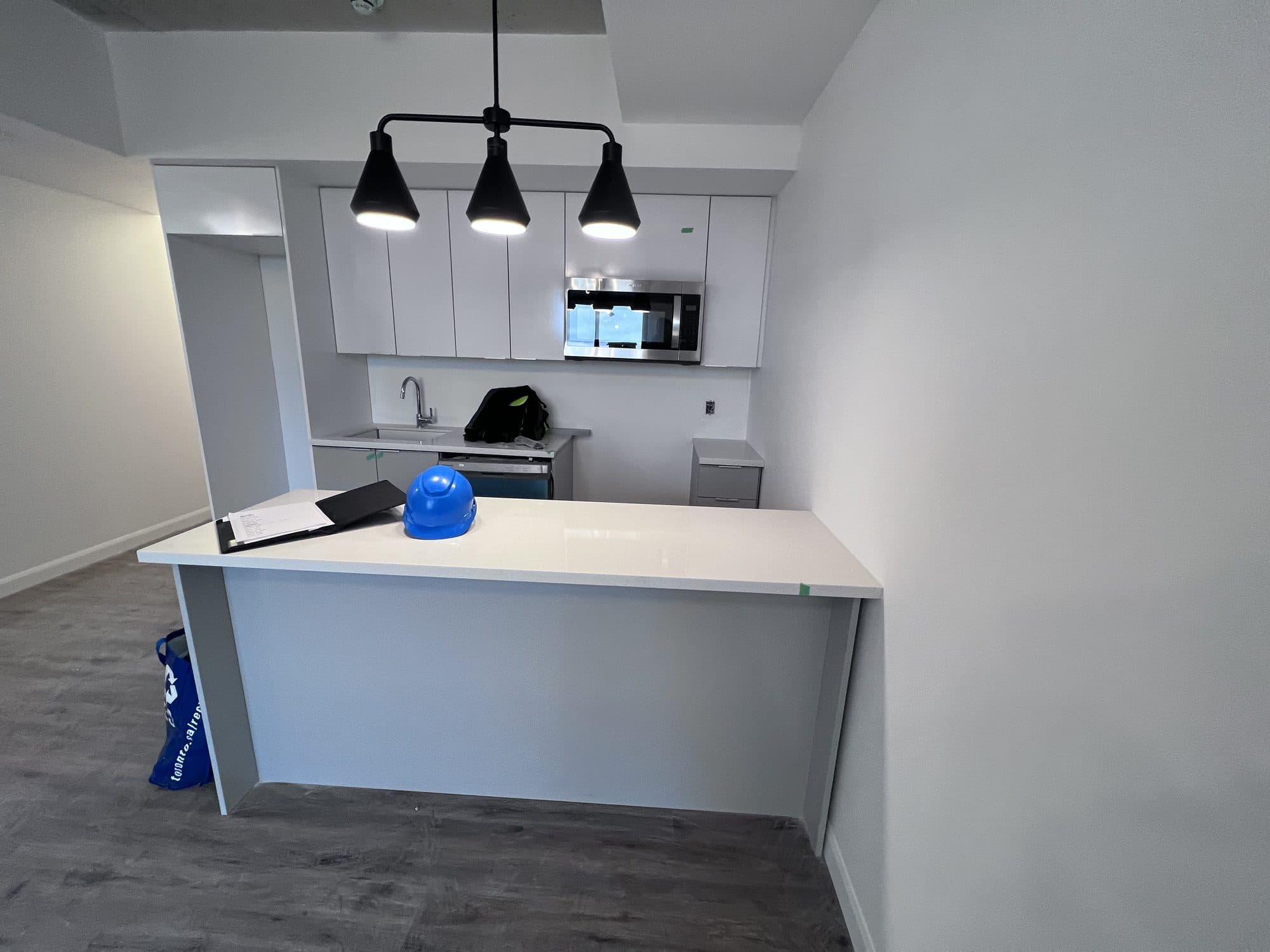

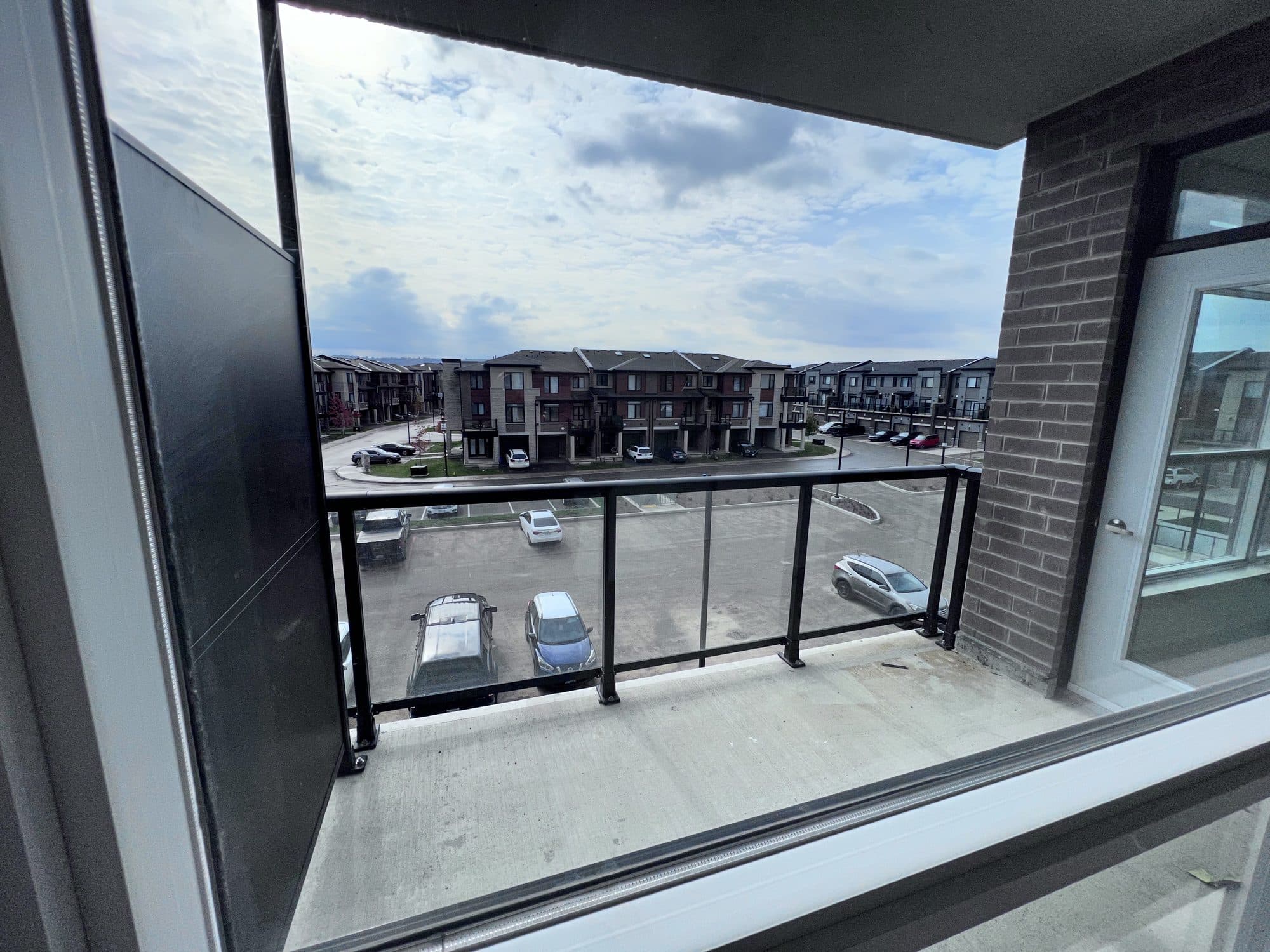
Streetsville, downtown Toronto, Burlington, Brantford and Stoney Creek — properties Fayah actually holds and manages. The software was written against these doors before it was written for anyone else’s.
Cap rate, cash-on-cash, equity and total return, calculated from transactions you have already entered. Then the question none of the other tools answer: is this property still worth keeping?
How it works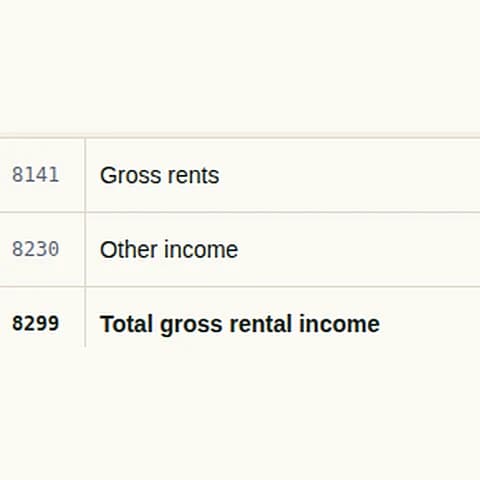
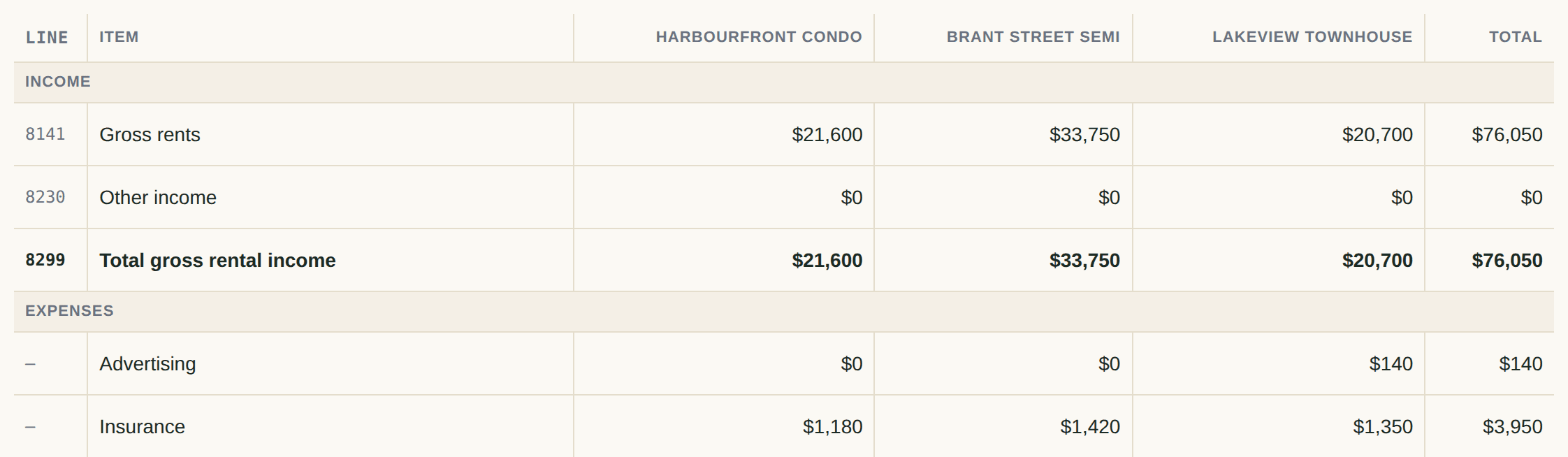
Categories that map to the T776, HST handled properly, and a package you can send in one file instead of a shoebox of receipts.
How it works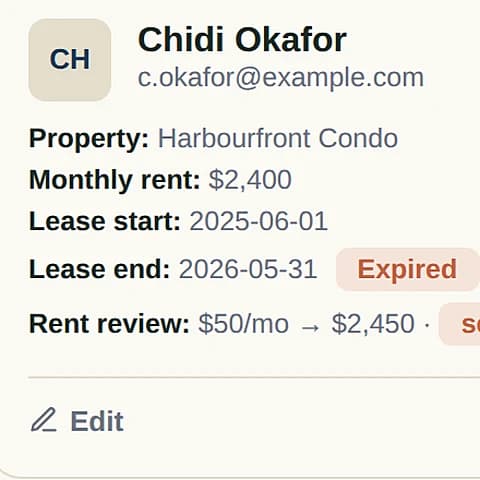
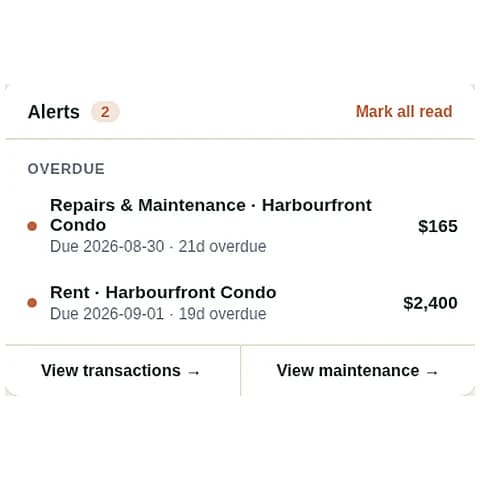
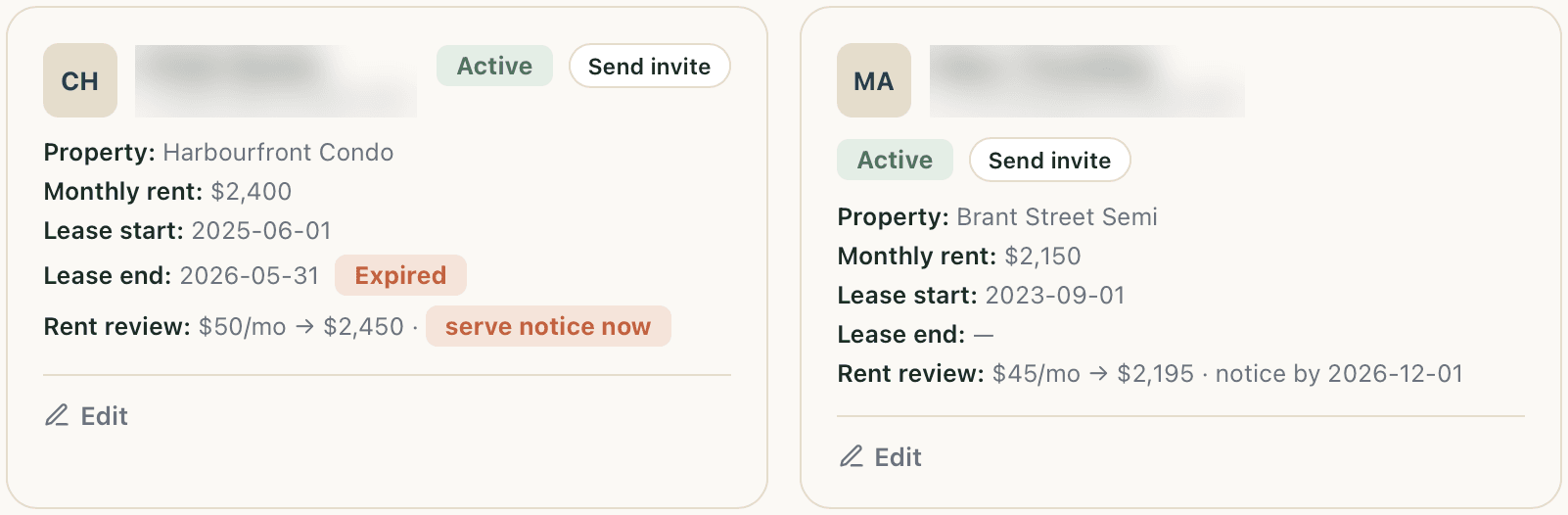
Tenants pay by pre-authorised debit, receipts go out automatically, and arrears are visible the day they happen rather than the month after.
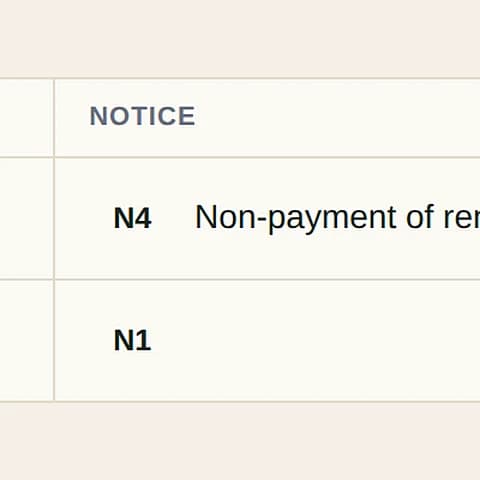
How it worksMost rental software is written for a landlord somewhere else and localised afterwards. Localising tends to mean the currency symbol and the word “province”. It does not mean the notice you serve is the form the Board accepts this year, or that a security deposit stops being counted as income.
And one price for all of it. Not per door, not per person — the number does not move when you add either.
Not a mockup and not an artist’s impression — these are screenshots of the live demo, taken from a three-property Ontario portfolio. You can open the same screens yourself and click around.

Your first property is free for as long as you want it — not a trial. Above that, one price covers the whole portfolio, however many doors you add.
See pricingNobody starts from nothing. Your records are in a spreadsheet, and the reason to stay there is usually the thought of retyping them — so the import is built to take what you already keep, in the shape you already keep it.
Bring the spreadsheet you already keep — .csv, .xlsx or .xls. If you would rather start clean, download a blank template for properties, transactions or tenants, already carrying the right columns.
Your headings are matched to the right fields automatically. Anything it gets wrong, or cannot guess, you set by hand — and the draft survives you wandering off to check a property name.
You see exactly what landed and what did not before anything is committed. And it goes back out the same way: CSV, an Excel workbook with a sheet per record type, or a full backup.
Your records stay yours. Nothing here locks them in — the export is in the product, not something you have to ask for.
More on import and export